Experiencing La Bohème
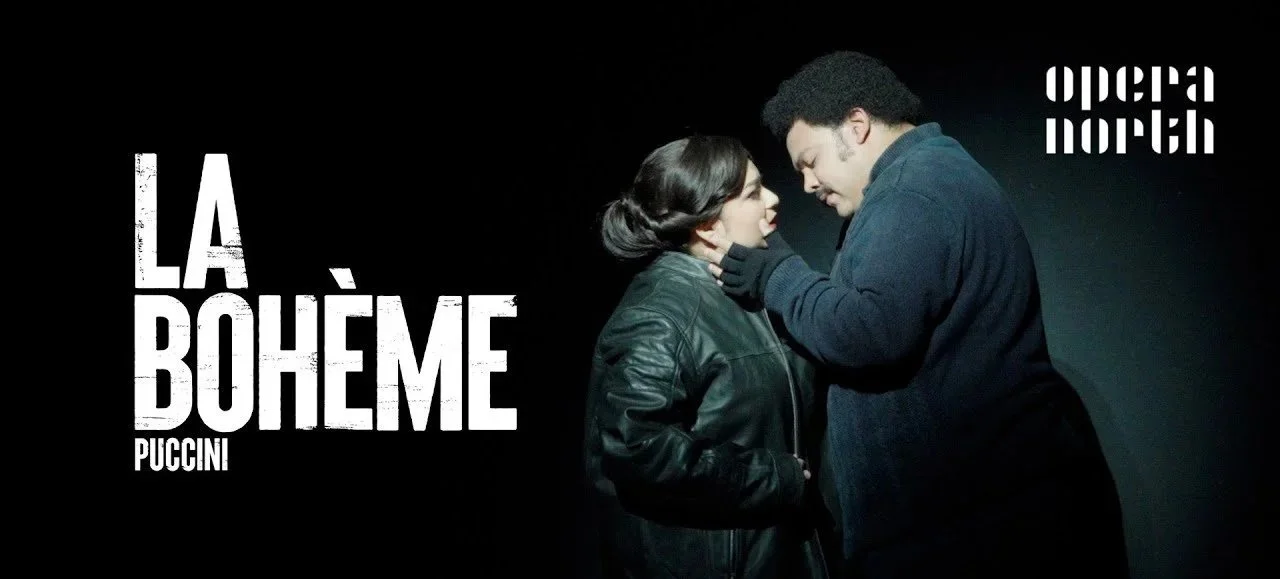
I have always been a huge fan of opera, Mozart’s, Verdi’s, Wagner’s, Puccini’s. Listening to it, performing it, have always been very powerful experiences for me. What follows is an analysis of the possible reasons behind my emotional reaction to one particular opera: La Bohème, by Giacomo Puccini.
What struck me at a more intellectual level — although already well entangled with my emotions, in my first ever live experience of La Bohème this November (performed by the fantastic Opera North at The Lowry, Manchester) is the modernity of the endeavour.
The absolute, almost scary freedom with which characters talk to each other about matters that may appear banal in the most epic musical context; how love takes a moment to blossom out of need for recognising a kindred spirit and companion in a frozen, dark room; how separate conversations each with its own music overlap in the same scene; this constant, incredibly high tenor of emotion tells us something very deep, I think, about what Puccini wanted to portray.
But we need to take a step back and have a closer look at La Bohème’s story, which many will be familiar with. In synthesis, this is a story of outcasts. A poet, Rodolfo, and a seamstress, Mimì, both poor, occupying the attics of a building in Paris, fall in love. She joins his community – his housemate, the painter Marcello, and the woman he shares a tormented love with, Musetta. There’s no challenged status to be maintained, no contrast whatsoever between the characters’ conditions, not even between the two women, regardless of their differing social behaviour. This is a real community, featuring same and opposite sex friendship, support, understanding. The characters’ appeal is not given by their status, as it is in many operas before and after this one, but by their individuality. The crazy thing is, on paper, not much happens in these two hours and a half. By the end though, I had experienced the full array of my emotions to the extreme level. The protagonists share a love that is challenged by misery and illness, ending tragically in the same frozen, dark room where it started, with nothing much having changed in their lives formally speaking but a small, huge detail: they have known true love.
Coming back to how the music accompanies them, one recognisable and sweeping tune after the other, and the almost extreme expressivity of the singers, regardless of the topic of conversation or the simplicity of the words used, what Puccini seems to be wanting is to give the utmost importance to their feelings, to how powerful and life changing they can be, even in the smallest and most invisible circle of people; to what makes their simple yet dramatically hard everyday life; in a word: to the individual; something of great social and political importance.
I looked at these characters on stage, and I saw people: their lives unravel before my eyes. And when Mimì died, I truly felt like a friend had and cried all of my tears — and couldn’t stop, not because I was moved by the representation of death, but because, somehow, I was a witness. I was there. Which when we experience opera live, differently from when we watch, say, a recording of it, is in a way the truth.
In the last sequence of La Bohème, after having been surrounded by their friends’ dramas and challenged by their own tragedies and fears, Mimì and Rodolfo are alone together, just like when they first met. What stays after the turmoil of emotions is their immediately steady and yet vertiginous intimacy. He speaks, rather than singing. His voice is anyone’s voice. She says:
Ho tante cose che ti voglio dire…
o una sola, ma grande come il mare,
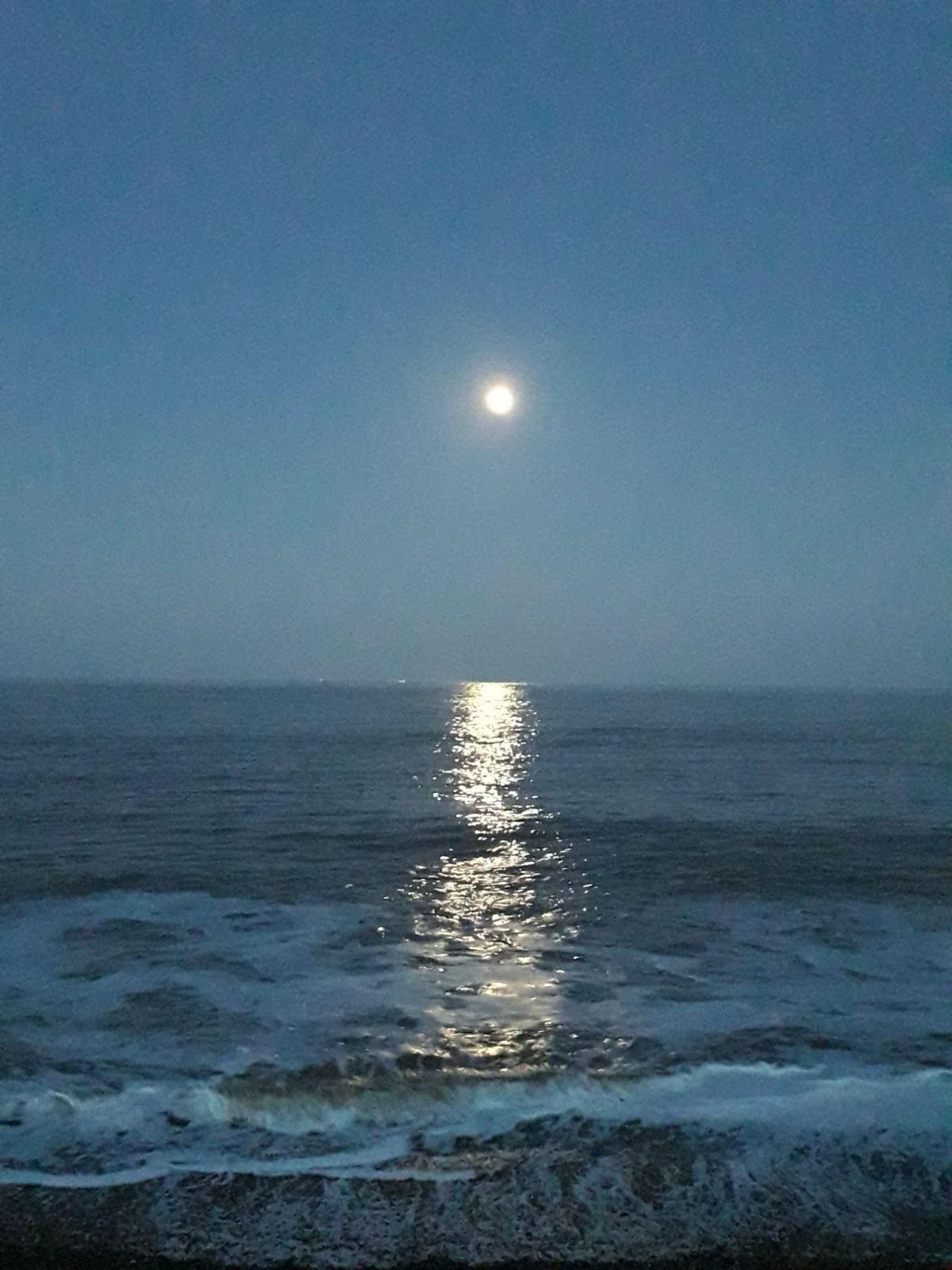
come il mare profonda ed infinita.
Their love, invisible or insignificant at best in the eyes of a distracted observer, is as vast, deep, and infinite as the ocean. And its waves, formed onstage, wash over us, too.